
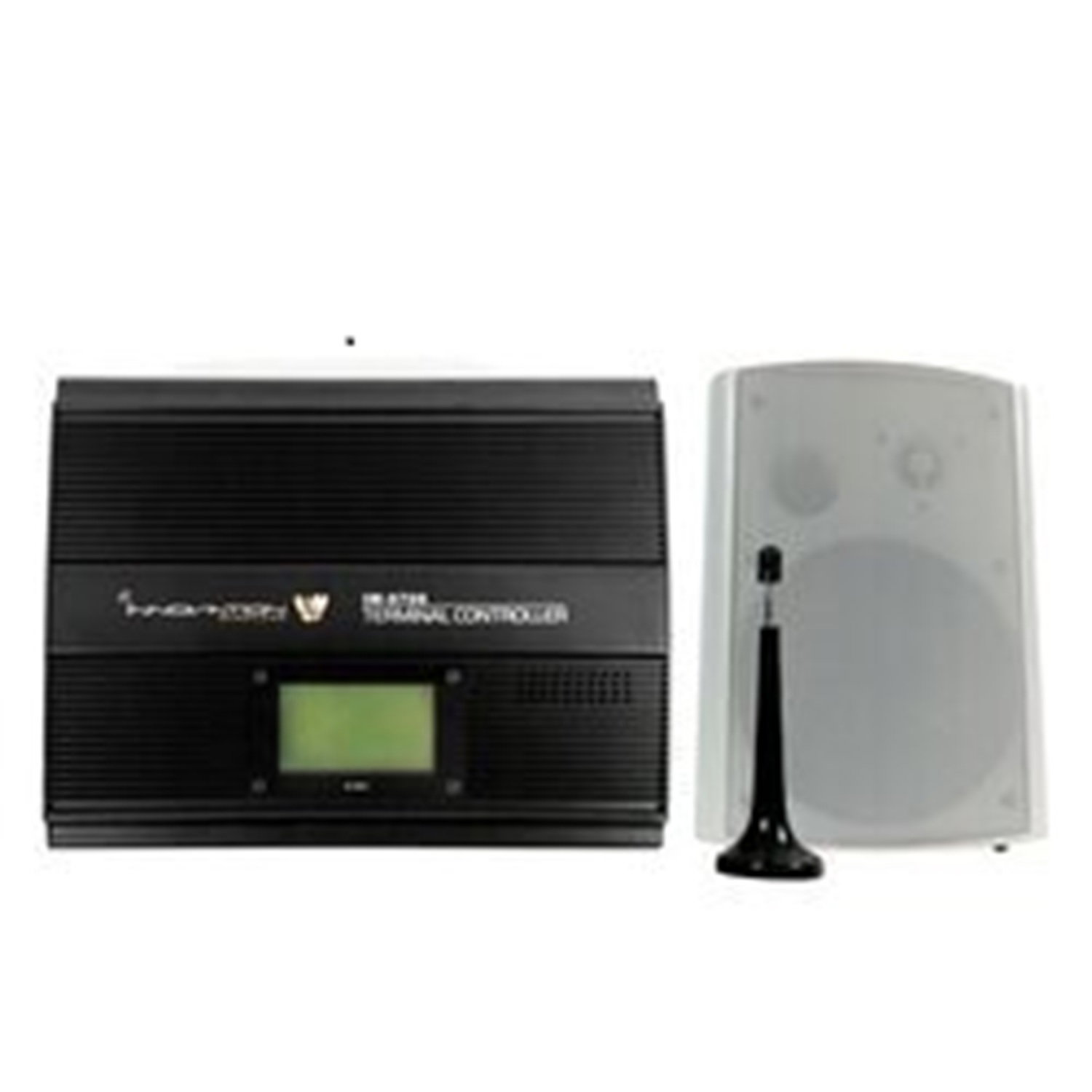
Evaluating a Wireless Intercom System for Schools
The wireless intercom system for schools has actually been a component for years, yet until recently it hasn't discovered its means right into other kinds of service. The intercom system for schools is wireless currently, generally, though some managers argument whether or not the newer technology makes a renovation over a wired-based installation. There seem to be valid reasons on both sides of this problem.
In colleges, a wireless intercom system is normally incorporated into the timing network that keeps all clocks and bells in synchrony. (This helpful device of clock synchronization has actually branched off right into all sort of businesses to improve operational effectiveness.) A prime reason for public address (PA) synchronization is to ensure that messages are relayed concurrently to all loudspeakers dispersed across campus.
Typical execution of the configuration consists of a type of warning noise which offers to reveal the broadcast about to come. The noise could be almost anything (e.g., bell, whistle, or tone pattern). This preparatory noise is centrally located and program simultaneously per destination audio speaker.
The message content complies with soon thereafter, stemming from the same central place (usually the management building). It is essential that each loudspeaker remain in total synchrony with every other, lest timing offsets between neighboring areas create mirrors. If the sensation is disruptive enough, it stops the target market from understanding the broadcast at all.
The day-to-day material of the intercom program is usually instead static due to the infrequency of adjustments. This prompts some schools to prerecord messages as a time-saving action. The message is just played rather than read, and the system might be set to play the sharp and program automatically.
At the other extreme, content adjustments dynamically each day, and there may be a requirement to invoke something on the fly in emergency situations. This capacity dictates hand-operated operation or at least a manual override of programmed procedure.
The administrator delivering the address prepares the intercom (primarily, from off to on), which develops the connection for programs and informs. In hands-on mode, the manager sends out the alert and after that talks right into the microphone the unique notice(s).
This centralized control is the well established modus operandi for every intercom system. Messaging and notifies are transmitted over some sort of medium to all remotely distributed loudspeakers; if the particular setup allows for specific speakers to be muted/silenced, some device should remain in location to enable the audio speakers to obtain and play the unusually timed transmission.
This can be automated through control signals, which are comparable in type to notifies but are broadcast ahead of them. Control signals can power on the speakers and/or operate a localized tone generator, for instance. Other methods are feasible, and schools establish for themselves what plan functions best for them.
This article is concentrated on wireless transmission networks, which utilize radio waves, however the protocol also works over hardwired links. Institutions have to choose which form to apply based upon a number of factors, not least of which is whether a wired transmission network is currently in position.
Additional considerations are mostly fixated the requirement for modularity and upkeep prices. Fixed setups need to be serviced regularly and aren't really flexible, but transmission specifications are reliable. Wireless setups are prone to indicate deteriorations over long distances and cross-channel disturbance, however access points can be easily relocated to one of the most convenient place.
The ability of schools varies gradually, with building or demolition occurring, student bodies increasing or down, class being repurposed, and trailers having to be installed or downsized. Administrators are frequently being tested to determine exactly how finest to fulfill the demands of students and staff. We have actually been presenting ideas that could prove useful in examining a wireless intercom system for institutions.
wireless bell systems